
Heritage is more than old buildings, traditional clothing, ancient objects, or stories from the past. It includes the knowledge, skills, languages, celebrations, foods, music, crafts, and values that communities pass from one generation to another.
Every society has developed its own ways of protecting this heritage. Some communities preserve traditions through festivals and ceremonies, while others rely on storytelling, traditional crafts, family recipes, music, or language lessons.
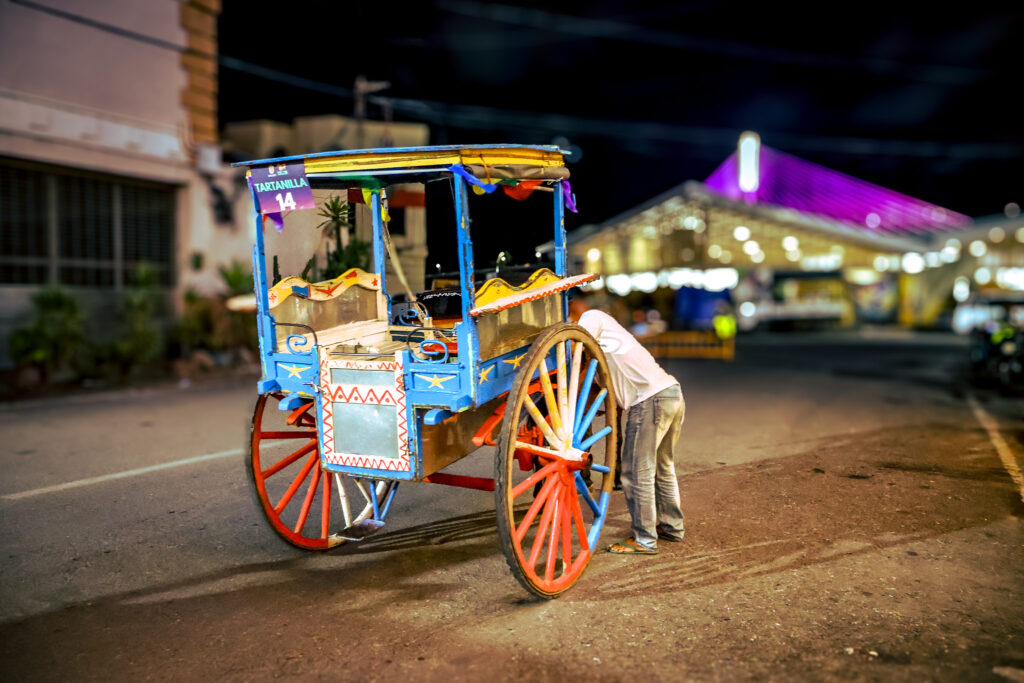
Preserving heritage is important because traditions can easily disappear when younger generations move away from traditional lifestyles or when languages and customs are replaced by more widely used ones. Yet many communities continue finding creative ways to keep their cultural identity alive.
These efforts show that heritage does not have to remain frozen in the past. It can adapt to modern life while still maintaining its original meaning.
Passing Stories From One Generation to Another
One of the oldest methods of preserving heritage is storytelling.
Long before books, newspapers, and digital recordings existed, communities depended on spoken stories to remember important events and teach younger generations.
Stories could explain the history of a family, the origins of a community, important journeys, relationships with the natural environment, or lessons about responsibility.
In some Indigenous cultures, storytelling remains an important way to preserve knowledge about land, animals, ancestors, and traditional values.
The strength of oral tradition comes from personal interaction. A story is not simply read from a page. It can be performed, discussed, and adapted while retaining its central message.
This creates a living connection between generations.
Keeping Traditional Languages Alive
Language is one of the most powerful parts of cultural identity.
A language contains expressions, ideas, names, sayings, and ways of describing the world that may not have direct equivalents in another language.
When a language disappears, communities can lose access to an important part of their historical knowledge.
Many communities are therefore working to protect languages through schools, cultural programs, books, recordings, and digital resources.
Younger generations may learn traditional words from grandparents or participate in language classes designed specifically for their community.
Technology has also created new opportunities. Audio recordings, online dictionaries, educational videos, and digital archives can make language resources available to people who live far from their ancestral communities.
This allows traditional languages to become part of modern communication rather than existing only in historical records.
Preserving Traditional Food
Food can carry centuries of cultural history.
A traditional recipe may reveal what ingredients were available in a particular region, how people adapted to the local climate, and how families prepared meals for important occasions.
Recipes are often passed through families without being written down. Grandparents may teach younger relatives by demonstrating how ingredients should be prepared rather than giving exact measurements.
This personal method can preserve techniques that would otherwise be difficult to record.
Community festivals and cultural restaurants also help traditional foods reach younger generations and people outside the community.
A simple meal can therefore become a connection between past and present.
Protecting Traditional Crafts
Traditional crafts provide another powerful way to preserve heritage.
Weaving, pottery, wood carving, metalworking, embroidery, basket making, and other crafts often require skills developed through years of practice.
Many techniques cannot be fully understood from written instructions. They must be demonstrated by experienced craftspeople.
In some communities, older artisans teach younger people through apprenticeships.
This allows knowledge to move directly from one generation to another.
Traditional crafts can also become sources of income. When people can earn a living from cultural crafts, there may be greater motivation to continue practicing and teaching them.
The finished objects become more than decorative items. They represent knowledge, patience, creativity, and cultural identity.
Celebrating Traditional Festivals
Festivals provide communities with an opportunity to bring heritage into public life.
Music, dancing, clothing, food, ceremonies, games, and storytelling can all become part of a cultural celebration.
Festivals are especially effective because they involve participation rather than simple observation.
Children can watch older generations perform traditional dances. Families can prepare traditional meals together. Musicians can teach younger performers. Craftspeople can demonstrate their skills.
This creates an environment where cultural knowledge is experienced directly.
Festivals also allow communities living far from their ancestral regions to maintain connections with their heritage.
Preserving Traditional Music
Music can survive even when other parts of a culture change.
Traditional songs may contain stories about historical events, relationships, nature, migration, work, celebrations, or personal experiences.
Communities preserve music by teaching songs to children, organizing performances, recording older musicians, and creating cultural music groups.
Modern technology has made this process easier.
A traditional song that might once have been known only within one village can now be recorded and shared with people around the world.
At the same time, musicians can introduce traditional sounds to younger audiences by combining them with modern musical styles.
This allows heritage to evolve without being completely abandoned.
Protecting Historic Buildings
Buildings can preserve physical evidence of a community’s history.
Homes, temples, mosques, churches, marketplaces, forts, schools, and traditional public spaces can reveal how earlier generations lived and organized their communities.
Preservation organizations and local communities may restore historic buildings rather than replacing them with modern structures.
Restoration can be challenging because old materials and construction methods may no longer be common.
In some places, traditional builders are trained to repair historic structures using techniques similar to those used by earlier generations.
A preserved building can therefore become a classroom where people can experience history directly.
Teaching Heritage Through Schools
Schools can play an important role in keeping cultural knowledge alive.
Children may learn local history, traditional languages, music, crafts, literature, and important community stories as part of cultural education.
Some communities establish special programs outside regular schools where young people can learn directly from elders and cultural experts.
This approach is valuable because young people become active participants in preserving their heritage.
Instead of seeing tradition as something belonging only to older generations, they learn that they have a role in carrying it forward.
Education also creates opportunities to correct misunderstandings about a community’s history.
Using Modern Technology to Protect Ancient Knowledge
Technology may seem far removed from traditional culture, but it has become one of the most useful tools for heritage preservation.
Communities can record interviews with elders, photograph traditional objects, digitize old documents, create online archives, and preserve endangered languages.
Three dimensional scanning can also help document historic buildings and artifacts.
Digital platforms allow people living in different countries to access cultural materials that were previously available only within specific communities.
Technology does not replace living traditions, but it can create a backup when physical objects or older generations are no longer available.
Heritage Through Clothing and Design
Traditional clothing can communicate identity, history, geography, and social meaning.
Patterns, colors, embroidery styles, jewelry, and materials can reveal information about a community’s environment and cultural history.
Families may preserve traditional clothing for weddings, festivals, religious occasions, or other important events.
Younger designers sometimes combine traditional patterns with modern clothing.
This approach allows cultural designs to remain relevant while introducing them to new audiences.
When traditional styles continue appearing in everyday fashion, they have a greater chance of remaining familiar to future generations.
The Role of Elders
Older members of a community often hold knowledge that cannot easily be found in books.
They may remember traditional songs, local stories, craft techniques, recipes, ceremonies, or words that younger people rarely hear.
Many communities therefore place great importance on learning directly from elders.
An elder teaching a young person how to weave, prepare a traditional dish, play an instrument, or tell a historical story creates a personal connection that cannot be replaced entirely by digital information.
The knowledge becomes part of the learner’s own experience.
Heritage Is a Living Story
The most successful forms of heritage preservation do not simply place traditions behind glass.
They allow people to continue using, practicing, speaking, creating, and celebrating them.
A traditional recipe survives when families continue cooking it. A language survives when people continue speaking it. A craft survives when young people learn how to make it. A song survives when new generations continue singing it.
Communities around the world are proving that preserving heritage does not mean rejecting modern life.
Traditions can adapt while keeping their central meaning.
The methods may differ from one community to another, but the goal is similar. People want future generations to understand where they came from and what made their communities unique.
Heritage survives most strongly when it remains part of everyday life. Through stories, language, food, music, crafts, festivals, education, and technology, communities continue carrying pieces of the past into the future.
In this way, cultural heritage is not simply something inherited from history. It is something people actively protect, practice, and reshape for the generations still to come.