
Across the world, people celebrate important moments, welcome guests, honor ancestors, mark adulthood, and strengthen community bonds in countless different ways. Some customs are familiar to millions of people, while others are practiced by smaller communities and remain largely unknown outside their regions.
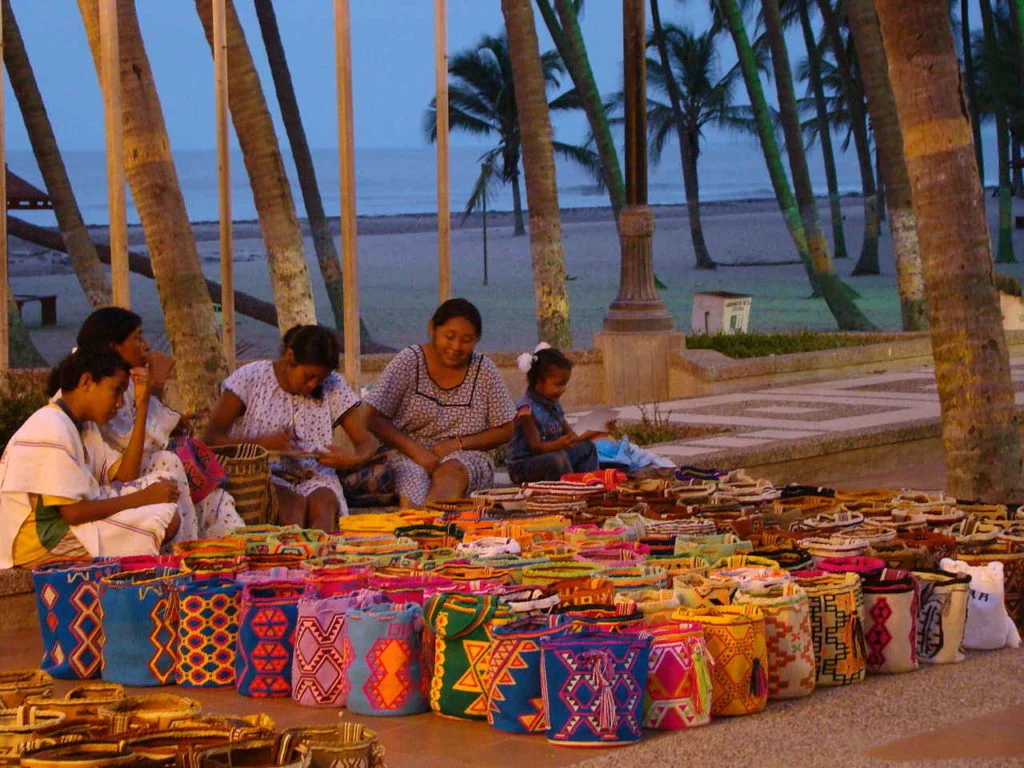
A custom may seem unusual when viewed from the outside, but it often carries a deeper meaning connected to history, environment, family, spirituality, or community identity. What appears strange to one society can be completely ordinary to another.
The diversity of human traditions is one of the most fascinating parts of our world. From ceremonies involving food and clothing to rituals connected with age, marriage, friendship, and remembrance, these practices reveal how different communities understand important moments in life.
Here are some remarkable customs that offer a glimpse into cultures you may never have heard much about.
The Māori Hongi in New Zealand
Among Māori communities in New Zealand, the hongi is a traditional greeting in which people press their noses and foreheads together.
To someone unfamiliar with the practice, it may seem unusual compared with a handshake or verbal greeting. However, the hongi carries a much deeper meaning.
It can symbolize the sharing of breath and the joining of people together. In traditional contexts, the gesture can mark a transition from being considered a visitor toward becoming part of the gathering.
Māori culture places strong importance on relationships, ancestry, community, and connection to the land.
The hongi therefore represents more than a simple greeting. It reflects the idea that human relationships are built through genuine connection.
The Hanami Tradition of Japan
Every spring, people across Japan gather to enjoy the blooming of cherry blossoms.
This tradition is known as hanami, which refers to flower viewing.
Friends, families, coworkers, and communities often gather beneath flowering trees to enjoy food, conversation, and the seasonal scenery.
The custom is more than simply appreciating beautiful flowers. Cherry blossoms have long been associated with the temporary nature of beauty because the flowers remain for only a relatively short period.
The tradition encourages people to appreciate a beautiful moment while it lasts.
This connection between nature and the passing of time has become an important part of Japanese cultural expression.
The Ethiopian Coffee Ceremony
Coffee has deep cultural importance in Ethiopia, where traditional coffee ceremonies can become meaningful social occasions.
The process can involve roasting green coffee beans, grinding them, brewing the coffee in a traditional vessel, and serving it to guests.
The ceremony may take considerable time, making it very different from quickly preparing a cup of coffee before work.
Guests are invited to sit together, talk, and enjoy the experience.
The ceremony can be associated with hospitality, friendship, family gatherings, and community relationships.
The preparation itself becomes part of the social experience.
Instead of treating coffee as simply a beverage, the ceremony turns it into an opportunity for people to slow down and connect with one another.
The Sámi Tradition of Joik
The Sámi people live across northern parts of Norway, Sweden, Finland, and Russia.
One distinctive element of Sámi culture is joik, a traditional form of vocal expression.
A joik can be connected to a person, animal, place, or experience. Rather than simply describing the subject through ordinary lyrics, the performance can be understood as expressing or evoking the person or thing itself.
Different Sámi communities have their own styles and traditions surrounding joik.
The practice demonstrates how music can function as more than entertainment.
It can help preserve memory, identity, relationships, and connections with the natural world.
The Maasai Warrior Jumping Tradition
The Maasai communities of Kenya and Tanzania are well known for distinctive cultural traditions, clothing, beadwork, and ceremonial practices.
One widely recognized tradition involves young warriors performing rhythmic jumping dances during gatherings.
Participants may jump vertically while maintaining an upright posture, often accompanied by singing and rhythmic movement.
The performance can demonstrate physical ability, coordination, confidence, and community identity.
It is important to remember that Maasai communities are diverse and traditions can differ between groups.
The jumping dance seen in popular images is only one part of a much broader cultural system involving family relationships, age groups, ceremonies, livestock, and social responsibilities.
The Mongolian Naadam Festival
In Mongolia, the Naadam festival celebrates traditional sporting and cultural activities.
The event is strongly associated with three major competitions involving wrestling, horse racing, and archery.
Horse racing is particularly distinctive because young riders can participate, with the horses competing across long distances.
The festival has deep historical connections to Mongolian culture and traditions of physical skill.
Today, Naadam is celebrated as an important national cultural event.
The festival provides a powerful example of how traditional skills can remain part of modern cultural identity.
The Gifting Tradition of the Pacific Northwest
Among several Indigenous peoples of the Pacific Northwest, the potlatch has historically served as an important ceremonial and social gathering.
Potlatches can involve feasting, gift giving, dancing, speeches, and the recognition of important social events.
The practice can mark occasions such as marriages, births, memorials, or changes in social status.
Gift giving within this tradition is not simply about exchanging objects. It can communicate generosity, responsibility, relationships, and social standing.
The historical importance of the potlatch is particularly significant because colonial authorities once attempted to suppress the practice in Canada.
Indigenous communities have worked to preserve and revitalize these traditions.
The Filipino Bayanihan Spirit
The Filipino concept of bayanihan is often associated with community cooperation and helping one another.
The traditional image of neighbors physically helping move a house has become one of the best-known representations of this idea.
Although the literal practice is not something most Filipinos regularly perform today, the broader concept of bayanihan remains associated with mutual assistance and community spirit.
The tradition reflects the idea that difficult tasks can become easier when people work together.
It also demonstrates how cultural values can survive even when the original physical practice becomes less common.
The Fire Walking Tradition of Greece
In parts of northern Greece, a traditional ceremony known as Anastenaria includes participants walking barefoot across glowing coals.
The practice is connected to religious traditions and is performed during specific celebrations.
Participants prepare through a ceremonial process before entering the fire.
To observers, walking across hot coals may appear extremely dangerous and mysterious. The tradition, however, has a long cultural history and is deeply meaningful to the communities that practice it.
The ceremony demonstrates how rituals can combine faith, collective identity, music, movement, and symbolism.
The Day of the Dead Traditions in Mexico
Mexico’s Día de los Muertos is a well-known tradition centered on remembering deceased family members and loved ones.
Families may create ofrendas, or altars, decorated with photographs, candles, flowers, food, and personal objects.
The celebration is not simply about mourning. It can also be an expression of love, memory, family connection, and cultural continuity.
Marigold flowers are commonly associated with the celebration, while food and personal belongings may be placed on altars as symbolic offerings.
The tradition demonstrates how communities can approach death through remembrance and celebration rather than treating it only as a moment of sadness.
Why Cultural Customs Matter
Customs are more than unusual habits passed from one generation to another.
They preserve memories, express values, strengthen relationships, and help communities maintain a sense of identity.
A greeting can communicate respect. A meal can represent hospitality. A festival can preserve history. A ceremony can connect younger generations with their ancestors.
Many traditions also change over time. Some become less common, while others are adapted to modern life. Communities may preserve the central meaning of a custom even when the original form changes.
This process allows cultures to remain dynamic rather than frozen in the past.
A World Connected by Different Traditions
The customs found around the world may look remarkably different, but many have similar purposes.
People gather to celebrate important moments. They honor relatives. They welcome guests. They remember the past. They teach younger generations. They strengthen relationships within their communities.
The methods may vary from one culture to another, yet the emotions behind them can be surprisingly familiar.
Learning about lesser-known customs gives us an opportunity to see the world from perspectives beyond our own.
Every tradition carries a story, and sometimes that story reveals something universal about human life. The more cultures we discover, the more clearly we can see that diversity does not separate humanity completely. It gives us countless different ways to express the same basic needs for connection, belonging, memory, and celebration.
Across the world, people celebrate important moments, welcome guests, honor ancestors, mark adulthood, and strengthen community bonds in countless different ways. Some customs are familiar to millions of people, while others are practiced by smaller communities and remain largely unknown outside their regions.
A custom may seem unusual when viewed from the outside, but it often carries a deeper meaning connected to history, environment, family, spirituality, or community identity. What appears strange to one society can be completely ordinary to another.
The diversity of human traditions is one of the most fascinating parts of our world. From ceremonies involving food and clothing to rituals connected with age, marriage, friendship, and remembrance, these practices reveal how different communities understand important moments in life.
Here are some remarkable customs that offer a glimpse into cultures you may never have heard much about.
The Māori Hongi in New Zealand
Among Māori communities in New Zealand, the hongi is a traditional greeting in which people press their noses and foreheads together.
To someone unfamiliar with the practice, it may seem unusual compared with a handshake or verbal greeting. However, the hongi carries a much deeper meaning.
It can symbolize the sharing of breath and the joining of people together. In traditional contexts, the gesture can mark a transition from being considered a visitor toward becoming part of the gathering.
Māori culture places strong importance on relationships, ancestry, community, and connection to the land.
The hongi therefore represents more than a simple greeting. It reflects the idea that human relationships are built through genuine connection.
The Hanami Tradition of Japan
Every spring, people across Japan gather to enjoy the blooming of cherry blossoms.
This tradition is known as hanami, which refers to flower viewing.
Friends, families, coworkers, and communities often gather beneath flowering trees to enjoy food, conversation, and the seasonal scenery.
The custom is more than simply appreciating beautiful flowers. Cherry blossoms have long been associated with the temporary nature of beauty because the flowers remain for only a relatively short period.
The tradition encourages people to appreciate a beautiful moment while it lasts.
This connection between nature and the passing of time has become an important part of Japanese cultural expression.
The Ethiopian Coffee Ceremony
Coffee has deep cultural importance in Ethiopia, where traditional coffee ceremonies can become meaningful social occasions.
The process can involve roasting green coffee beans, grinding them, brewing the coffee in a traditional vessel, and serving it to guests.
The ceremony may take considerable time, making it very different from quickly preparing a cup of coffee before work.
Guests are invited to sit together, talk, and enjoy the experience.
The ceremony can be associated with hospitality, friendship, family gatherings, and community relationships.
The preparation itself becomes part of the social experience.
Instead of treating coffee as simply a beverage, the ceremony turns it into an opportunity for people to slow down and connect with one another.
The Sámi Tradition of Joik
The Sámi people live across northern parts of Norway, Sweden, Finland, and Russia.
One distinctive element of Sámi culture is joik, a traditional form of vocal expression.
A joik can be connected to a person, animal, place, or experience. Rather than simply describing the subject through ordinary lyrics, the performance can be understood as expressing or evoking the person or thing itself.
Different Sámi communities have their own styles and traditions surrounding joik.
The practice demonstrates how music can function as more than entertainment.
It can help preserve memory, identity, relationships, and connections with the natural world.
The Maasai Warrior Jumping Tradition
The Maasai communities of Kenya and Tanzania are well known for distinctive cultural traditions, clothing, beadwork, and ceremonial practices.
One widely recognized tradition involves young warriors performing rhythmic jumping dances during gatherings.
Participants may jump vertically while maintaining an upright posture, often accompanied by singing and rhythmic movement.
The performance can demonstrate physical ability, coordination, confidence, and community identity.
It is important to remember that Maasai communities are diverse and traditions can differ between groups.
The jumping dance seen in popular images is only one part of a much broader cultural system involving family relationships, age groups, ceremonies, livestock, and social responsibilities.
The Mongolian Naadam Festival
In Mongolia, the Naadam festival celebrates traditional sporting and cultural activities.
The event is strongly associated with three major competitions involving wrestling, horse racing, and archery.
Horse racing is particularly distinctive because young riders can participate, with the horses competing across long distances.
The festival has deep historical connections to Mongolian culture and traditions of physical skill.
Today, Naadam is celebrated as an important national cultural event.
The festival provides a powerful example of how traditional skills can remain part of modern cultural identity.
The Gifting Tradition of the Pacific Northwest
Among several Indigenous peoples of the Pacific Northwest, the potlatch has historically served as an important ceremonial and social gathering.
Potlatches can involve feasting, gift giving, dancing, speeches, and the recognition of important social events.
The practice can mark occasions such as marriages, births, memorials, or changes in social status.
Gift giving within this tradition is not simply about exchanging objects. It can communicate generosity, responsibility, relationships, and social standing.
The historical importance of the potlatch is particularly significant because colonial authorities once attempted to suppress the practice in Canada.
Indigenous communities have worked to preserve and revitalize these traditions.
The Filipino Bayanihan Spirit
The Filipino concept of bayanihan is often associated with community cooperation and helping one another.
The traditional image of neighbors physically helping move a house has become one of the best-known representations of this idea.
Although the literal practice is not something most Filipinos regularly perform today, the broader concept of bayanihan remains associated with mutual assistance and community spirit.
The tradition reflects the idea that difficult tasks can become easier when people work together.
It also demonstrates how cultural values can survive even when the original physical practice becomes less common.
The Fire Walking Tradition of Greece
In parts of northern Greece, a traditional ceremony known as Anastenaria includes participants walking barefoot across glowing coals.
The practice is connected to religious traditions and is performed during specific celebrations.
Participants prepare through a ceremonial process before entering the fire.
To observers, walking across hot coals may appear extremely dangerous and mysterious. The tradition, however, has a long cultural history and is deeply meaningful to the communities that practice it.
The ceremony demonstrates how rituals can combine faith, collective identity, music, movement, and symbolism.
The Day of the Dead Traditions in Mexico
Mexico’s Día de los Muertos is a well-known tradition centered on remembering deceased family members and loved ones.
Families may create ofrendas, or altars, decorated with photographs, candles, flowers, food, and personal objects.
The celebration is not simply about mourning. It can also be an expression of love, memory, family connection, and cultural continuity.
Marigold flowers are commonly associated with the celebration, while food and personal belongings may be placed on altars as symbolic offerings.
The tradition demonstrates how communities can approach death through remembrance and celebration rather than treating it only as a moment of sadness.
Why Cultural Customs Matter
Customs are more than unusual habits passed from one generation to another.
They preserve memories, express values, strengthen relationships, and help communities maintain a sense of identity.
A greeting can communicate respect. A meal can represent hospitality. A festival can preserve history. A ceremony can connect younger generations with their ancestors.
Many traditions also change over time. Some become less common, while others are adapted to modern life. Communities may preserve the central meaning of a custom even when the original form changes.
This process allows cultures to remain dynamic rather than frozen in the past.
A World Connected by Different Traditions
The customs found around the world may look remarkably different, but many have similar purposes.
People gather to celebrate important moments. They honor relatives. They welcome guests. They remember the past. They teach younger generations. They strengthen relationships within their communities.
The methods may vary from one culture to another, yet the emotions behind them can be surprisingly familiar.
Learning about lesser-known customs gives us an opportunity to see the world from perspectives beyond our own.
Every tradition carries a story, and sometimes that story reveals something universal about human life. The more cultures we discover, the more clearly we can see that diversity does not separate humanity completely. It gives us countless different ways to express the same basic needs for connection, belonging, memory, and celebration.