
Human life is shaped by traditions that have been passed from one generation to another for centuries. Around the world, communities have developed rituals to celebrate birth, welcome visitors, honor loved ones, mark important stages of life, and strengthen relationships. These practices can look completely different from one culture to another, yet many of them are built around familiar human emotions such as love, respect, belonging, gratitude, and remembrance.
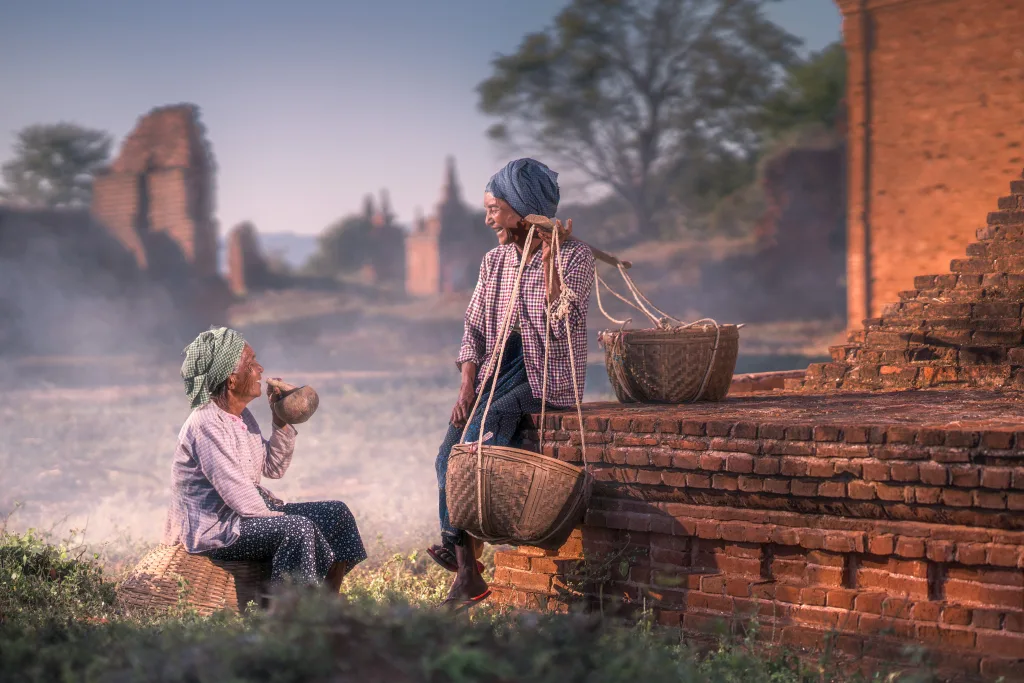
What makes cultural rituals especially fascinating is that they often contain stories about the people who created them. A ceremony may reflect a community’s relationship with nature, its history, religious beliefs, social structure, or ideas about family and identity.
Some rituals are performed by entire communities, while others take place within families or specific cultural groups. Many have changed over time, but their central meaning continues to survive.
Exploring these traditions offers a valuable reminder that there is no single way to experience important moments in life. Human societies have created countless meaningful ways to celebrate and understand the world around them.
Japan’s Coming of Age Traditions
Japan has a long tradition of recognizing the transition from childhood toward adulthood. One of the most well-known modern examples is Seijin no Hi, or Coming of Age Day.
The celebration is held for young people who reach the age recognized by Japanese law and tradition as an important stage of adulthood. Participants often wear formal clothing, including elegant kimono for women and suits or other formal attire for men.
Families may take photographs, attend ceremonies, and celebrate together.
The event is not simply about wearing traditional clothing. It represents a transition in responsibilities and social expectations.
For many young people, the occasion provides an opportunity to reflect on their future while receiving encouragement from family and community members.
The tradition also demonstrates how modern societies can preserve cultural elements while adapting them to contemporary life.
India’s Festival of Colors
Holi is one of India’s best-known celebrations and is associated with vibrant colors, gatherings, music, food, and joyful public participation.
During the festival, people may throw colored powders and water at one another.
The celebration has deep religious and cultural connections, and different regions observe Holi in their own ways.
For many participants, the festival represents the arrival of spring, renewal, joy, and the strengthening of social relationships.
One fascinating feature of Holi is the way ordinary social boundaries can temporarily become less important during the celebration. Friends, relatives, neighbors, and communities come together in a playful atmosphere.
Food and family gatherings are also important parts of the festival in many places.
Holi demonstrates how a cultural ritual can combine history, spirituality, seasonal change, community interaction, and celebration.
The Maasai Eunoto Ceremony
Among the Maasai communities of Kenya and Tanzania, age plays an important role in traditional social organization.
One ceremony associated with the transition of young warriors into another stage of life is known as Eunoto.
The ceremony can involve singing, dancing, symbolic activities, and gatherings of community members.
It represents an important change in social responsibilities and identity.
Maasai traditions vary between communities, so not every group performs ceremonies in exactly the same way.
However, age-based traditions demonstrate how societies can organize important stages of life through shared rituals.
Rather than viewing adulthood only as a personal experience, the community recognizes it collectively.
This creates a connection between individual development and wider social responsibilities.
Ethiopian Coffee Ceremonies
In Ethiopia, coffee can become much more than an everyday drink.
Traditional coffee ceremonies often involve a careful preparation process that may include roasting coffee beans, grinding them, brewing the coffee, and serving it to guests.
The ceremony can take place during family gatherings, visits, celebrations, or other social occasions.
The process encourages people to sit together and spend time talking.
This is important because modern life often encourages people to move quickly from one task to another. A traditional coffee ceremony creates space for conversation and hospitality.
The ritual also demonstrates the cultural importance of sharing.
A guest is not simply offered a prepared drink. They are invited into a social experience.
This makes the ceremony a powerful example of how food and beverages can become central to cultural identity.
Mexico’s Día de los Muertos
Día de los Muertos, or Day of the Dead, is a Mexican tradition centered on remembering deceased family members and loved ones.
Families may prepare special altars known as ofrendas. These can include photographs, candles, flowers, food, and objects connected with the person being remembered.
The atmosphere can include both sadness and celebration.
Rather than treating memories of the deceased as something that should disappear, the tradition creates a space where families can actively remember their loved ones.
Marigold flowers are strongly associated with the celebration, and decorated graves or family altars can become important gathering places.
The ritual demonstrates how different cultures can approach death in very different ways.
For many families, remembrance becomes an active expression of love and family continuity.
Māori Welcoming Ceremonies
Māori communities in New Zealand have traditional ceremonies connected with welcoming visitors.
One important example is the pōwhiri, a formal process that can include speeches, songs, calls, and other cultural elements.
The ceremony creates a structured way for visitors and hosts to meet.
Rather than simply arriving at a location and immediately beginning a conversation, participants move through a meaningful process that establishes relationships and respect.
The ceremony can also acknowledge the identity and history of the people involved.
This demonstrates how welcoming guests can become a cultural ritual rather than simply a social courtesy.
The Mongolian Naadam Festival
Mongolia’s Naadam festival brings together traditional sporting activities and cultural celebration.
The three major competitions traditionally associated with Naadam are wrestling, horse racing, and archery.
The festival has historical connections to Mongolian traditions of physical skill, horsemanship, and competition.
Horse racing is especially distinctive because young riders may participate, while horses cover considerable distances across open landscapes.
The event is not simply a sporting competition.
It is also a celebration of national heritage and cultural identity.
Modern Naadam demonstrates how an old tradition can continue to have meaning in a contemporary society.
The Sámi Joik Tradition
The Sámi people of northern Europe have a distinctive musical tradition known as joik.
Joik is different from many familiar forms of Western singing because it can be used to evoke a person, animal, place, or experience rather than simply describe it through conventional lyrics.
A joik may be deeply personal and connected to memory or identity.
The tradition demonstrates how music can preserve relationships and cultural knowledge.
It also reflects the strong connections between Sámi communities and the landscapes where they have lived for generations.
As with many Indigenous traditions, joik has faced historical pressures, but it continues to play an important role in Sámi cultural identity.
The Filipino Bayanihan Tradition
The Filipino concept of bayanihan is associated with cooperation and helping members of a community.
A traditional image connected with the idea shows neighbors working together to move a house.
Although this literal practice is uncommon in modern urban life, bayanihan remains an important cultural concept.
It represents the belief that people can accomplish difficult tasks through cooperation.
The idea can be seen in community assistance, collective projects, disaster response, and other forms of mutual support.
It shows that a ritual or cultural concept does not always need to survive in exactly the same physical form.
Sometimes its deeper value continues even after the original practice becomes less common.
Why Rituals Remain Important
Cultural rituals help people connect the present with the past.
They can teach younger generations about family history, community values, important events, and traditional beliefs.
They also create moments when people come together.
A coming of age ceremony can recognize personal growth. A festival can celebrate seasonal change. A welcoming ceremony can establish relationships. A remembrance ritual can keep family memories alive.
Although these practices may look completely different, they often serve similar human purposes.
They give meaning to experiences that every society must face.
Many Traditions, Many Ways of Being Human
The world’s cultural rituals demonstrate just how creative human communities can be.
Different societies have developed their own ways of celebrating, remembering, welcoming, competing, and marking important changes in life.
Some traditions involve music and dance. Others focus on food, clothing, storytelling, sport, or ceremony.
Their differences are what make them fascinating, but their similarities are equally meaningful.
Across continents and generations, people have looked for ways to strengthen relationships and give importance to the moments that shape their lives.
These rituals remind us that cultural diversity is not simply about different customs. It is about the countless ways people have learned to express emotions, preserve memories, and build communities.
Understanding these traditions can make the world feel both more diverse and more connected at the same time.