
Human history stretches across thousands of years, yet only a small portion of the past has been fully understood. Beneath modern cities, forgotten ruins, deserts, forests, and ancient landscapes lie clues about civilizations that existed long before written records became common.
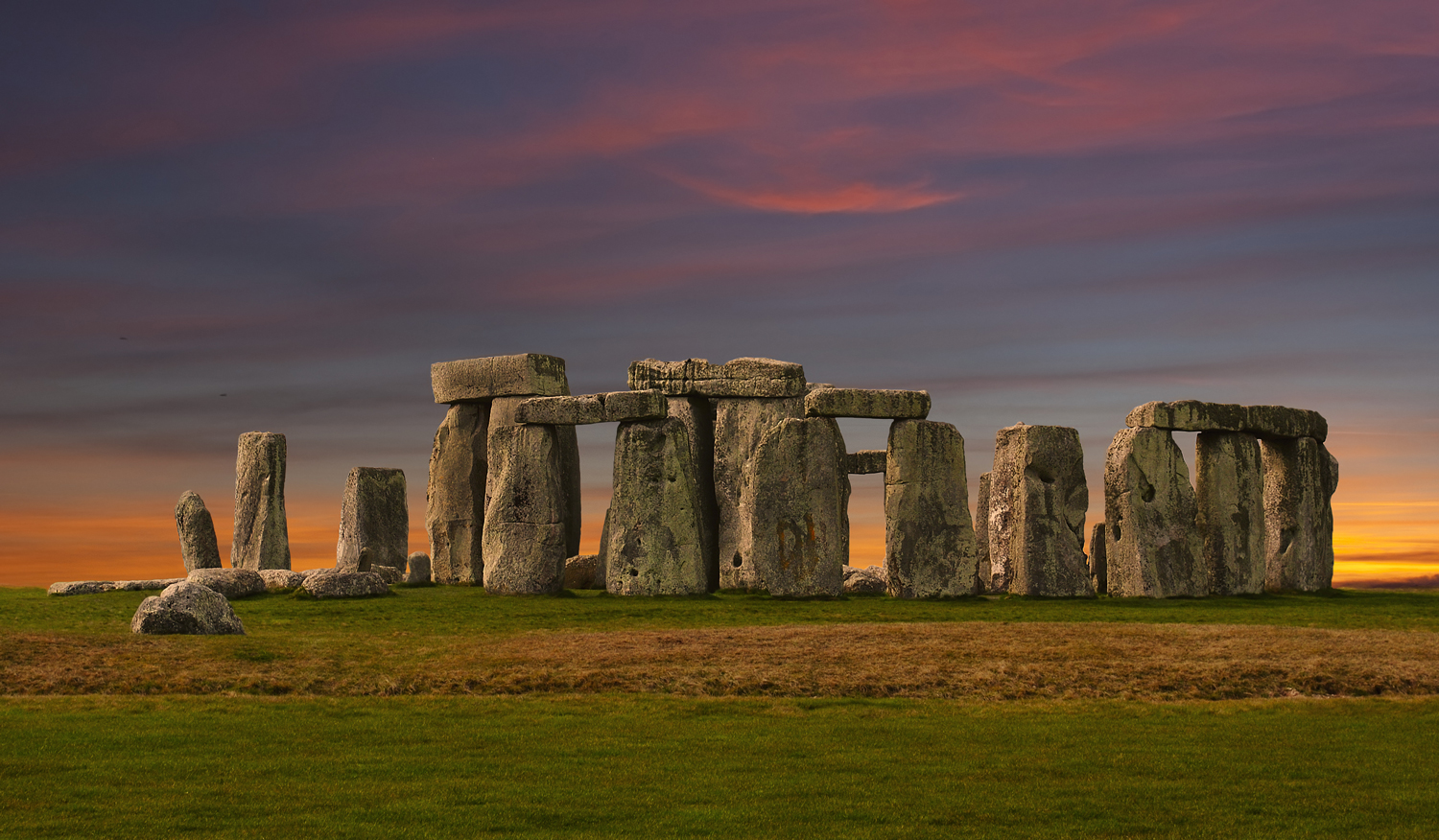
Archaeologists continue to uncover temples, buried settlements, mysterious objects, ancient roads, and forgotten structures that reveal how earlier societies lived. Some discoveries answer old questions, while others create new mysteries that may take generations to solve.
The past is not simply a collection of old dates and names. It is a vast story hidden beneath layers of soil, stone, and time.
The Lost City Beneath the Ash
Pompeii is one of the most famous archaeological sites in the world, but its story is also a reminder of how quickly an entire community can disappear.
In the first century, Mount Vesuvius erupted and buried Pompeii beneath layers of volcanic material. Buildings, streets, household objects, and other remains were preserved under the deposits.
The city remained hidden for centuries before systematic excavations revealed its streets and structures.
Archaeologists have discovered evidence of ordinary daily life, including shops, homes, public buildings, artwork, and tools.
Pompeii is unusual because it preserved not only impressive monuments but also details of everyday life. The remains allow researchers to understand aspects of Roman society that would otherwise have been lost.
The Terracotta Army Beneath the Ground
Near Xi’an in China lies one of the most remarkable archaeological discoveries ever made.
Thousands of life-sized terracotta figures were created to accompany China’s first emperor in the afterlife. The figures include soldiers, horses, chariots, and other elements associated with an enormous underground complex.
The scale of the project is extraordinary. Each figure contains individual details, including different facial features, hairstyles, clothing, and equipment.
The discovery revealed the enormous resources and organizational abilities available to the ancient Chinese state.
Yet important questions remain about parts of the larger burial complex and its construction.
The underground army demonstrates how ancient societies could create projects on a scale that remains impressive even by modern standards.
Göbekli Tepe Changed Ideas About Early Civilization
In southeastern Turkey lies Göbekli Tepe, an archaeological site that transformed discussions about the origins of monumental construction.
The site contains massive stone pillars decorated with carvings of animals and other symbols.
What makes the discovery especially important is its great age. The structures were built thousands of years ago by people living long before the development of many cities traditionally associated with complex civilization.
The site has encouraged researchers to reconsider how early communities organized themselves and why they invested enormous effort into monumental structures.
Göbekli Tepe shows that prehistoric societies were capable of creating sophisticated communal spaces much earlier than previously assumed.
The Mystery of the Nazca Lines
Across the dry desert of southern Peru are enormous designs known as the Nazca Lines.
The geoglyphs include animals, plants, geometric patterns, and long straight lines extending across the landscape.
Many designs are so large that their overall shapes are much easier to appreciate from above.
The Nazca people created the figures by removing darker surface stones and exposing lighter soil underneath.
Researchers have proposed different explanations for the purpose of the lines. They may have been connected to rituals, religious beliefs, astronomical observations, or other aspects of Nazca society.
Although archaeologists understand how many of the figures were physically created, their complete meaning remains a fascinating subject of study.
The Antikythera Mechanism
One of the most surprising ancient discoveries came from a shipwreck near the Greek island of Antikythera.
Divers recovered a heavily corroded object containing a complex arrangement of gears.
After decades of research and advanced imaging techniques, scientists determined that the mechanism was an ancient astronomical device capable of representing cycles involving celestial bodies.
Its complexity is remarkable because it dates to a period when people often underestimate the technological abilities of ancient societies.
The mechanism demonstrates that ancient craftsmen and scholars had sophisticated knowledge of mathematics, astronomy, and mechanical engineering.
Many questions about its exact construction and use remain topics of research.
The Underground City of Derinkuyu
Under the landscape of Cappadocia in Turkey lies Derinkuyu, an enormous underground settlement carved into soft volcanic rock.
The complex contains multiple levels connected by tunnels, rooms, storage areas, ventilation shafts, and other spaces.
The underground city could provide shelter for large communities under certain circumstances.
Its existence raises fascinating questions about how ancient people planned and constructed such a complex environment without modern machinery.
The soft volcanic rock made excavation possible, but creating a multi-level underground settlement still required considerable organization and labor.
Derinkuyu is a remarkable example of architecture hidden completely beneath the surface.
The Mystery of Easter Island’s Moai
Rapa Nui, commonly known as Easter Island, is famous for its enormous stone statues called moai.
The statues were carved by the island’s inhabitants and placed at different locations across the landscape.
Their enormous size has led to many questions about how ancient communities transported and positioned them.
Archaeological research has shown that the islanders possessed sophisticated methods for moving the statues, including techniques involving ropes and coordinated human effort.
The moai were connected to ancestral traditions and social identity.
Although many aspects of their construction are now better understood, the full history of the society that created them remains a fascinating subject.
The Sunken City of Thonis Heracleion
For centuries, the ancient Egyptian city of Thonis Heracleion existed mainly through historical references.
Eventually, underwater archaeological research revealed remains of the city beneath the Mediterranean Sea.
Researchers discovered statues, architectural fragments, inscriptions, coins, and other artifacts.
The city’s disappearance was likely connected to a combination of natural processes, including earthquakes, changes in land levels, flooding, and other environmental factors.
The discovery demonstrated how an important ancient port could become submerged and remain hidden for centuries.
It also provided new information about trade and cultural connections between ancient Egypt and the wider Mediterranean world.
The Forgotten Libraries of the Ancient World
Ancient civilizations depended heavily on written records, but many collections of texts disappeared through destruction, decay, or simple neglect.
The Library of Alexandria is perhaps the most famous example of a lost center of learning, although its exact history and the circumstances surrounding the loss of its collections are more complicated than popular stories suggest.
Ancient libraries existed in several regions and preserved literature, scientific knowledge, administrative records, and religious writings.
The loss of ancient texts means that much of humanity’s intellectual history may never be fully recovered.
Every surviving fragment therefore has enormous value for researchers studying the past.
Ancient Roads Still Hidden Beneath Modern Landscapes
Modern roads often cover routes that have been used for centuries.
Archaeologists have discovered ancient roads beneath fields, cities, forests, and desert landscapes.
Some routes connected major settlements, trade centers, religious sites, and military locations.
These roads reveal how ancient societies moved people, goods, armies, and information across large regions.
In some cases, modern transportation routes still follow paths that were established thousands of years ago.
The idea that people can unknowingly travel along routes created by ancient civilizations adds another fascinating layer to everyday landscapes.
The Past Is Still Being Discovered
Ancient mysteries are not limited to famous monuments. They can be hidden beneath a city street, inside an archaeological site, beneath the ocean, or under layers of desert soil.
Every discovery provides another piece of a much larger historical puzzle.
The Terracotta Army reveals the scale of ancient political power. The Antikythera Mechanism demonstrates remarkable technological knowledge. Göbekli Tepe challenges assumptions about prehistoric societies, while submerged cities reveal how dramatically landscapes can change over time.
Perhaps the most fascinating part of archaeology is that the story is never truly finished.
New technologies such as satellite imaging, ground scanning, underwater exploration, and advanced laboratory analysis allow researchers to investigate places that were once inaccessible.
There are still countless unanswered questions buried beneath the Earth.
Somewhere beneath layers of soil and stone may be the next discovery capable of changing what we thought we knew about the ancient world.